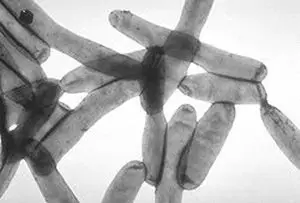
In recent days, outbreaks of legionella have appeared at the Diamante Beach hotel in Calpe (Alicante), and at a seafood restaurant in Móstoles (Madrid). As a result, the topic has started to be discussed in the media, sometimes generating more confusion than anything else. So I’m going to dedicate this post to clarifying certain things about Legionella.
What is Legionella?
Legionella is an infection caused by a bacterium, with characteristics similar to pneumonia. It was discovered in 1956, from a series of fatal cases caused by an unknown bacterium that did not respond to antibiotics like penicillin. Later, in 1976, the bacterium was successfully identified through clinical trials conducted mainly on former American military personnel. In honor of these legionnaires, the disease was named ‘Legionella’.
It should not be confused with Salmonella, which is a disease transmitted through food, especially eggs, milk, and the famous mayonnaise from bars.
How is it transmitted?
The Legionella bacterium grows in stagnant water and under suitable temperature conditions (between 20 to 60°C). Therefore, it is especially critical in building installations that use climatized water. For example, air conditioning systems, cooling towers, domestic hot water installations, jacuzzis or spas, humidifiers, etc. It is not as significant in swimming pools because the chlorination system eliminates the bacteria.
Legionella is not transmitted from person to person. The only way to contract the disease is by breathing in or ingesting contaminated water droplets.
What are its effects?
The first symptoms are similar to the flu: fever, malaise, and diarrhea. This leads those affected to think it’s just a simple flu and not seek medical attention, which complicates the disease later. It rarely affects children, with the majority of cases being adults over 30 years old. It is also much more likely in smokers; 95% of cases occur in smokers.
Legionella can be detected through a simple urine test, and there are drugs for its treatment. However, in some cases, the disease can be fatal, especially if complicated by weakened immune systems, asthmatic conditions, or very elderly patients.
How is Legionella prevented?
The measures to prevent infection are mostly technical in nature. Climatized water installations must be designed and maintained in good condition. There are regulations for controlling Legionella, such as R.D. 865/2003, of July 4, which establishes the hygienic-sanitary criteria for the prevention and control of legionellosis, which can be expanded by specific regional regulations.
Specifically, it must be ensured that in circuits using chilled water, the circuit temperature is below 20°C. Conversely, in hot water and heating installations, the water storage temperature must be above 60°C.
In those water tanks or circuits where it is necessary to maintain a temperature below 60°C (such as solar thermal storage), measures must be provided for the periodic disinfection of the installation, either through chemical products or thermal shock, with the latter being the preferred option in most installations.
Finally, it is advisable to cover food with plastic wrap in the cold rooms and refrigerators of bars and restaurants, to prevent condensation droplets from forming on the surface of the food, which could contain bacteria and pose a risk of infection.