
Data collections are structures that allow storing and organizing sets of elements of the same type and related in a single container.
In your daily life you constantly use the concept of “collection”. Imagine a moment when talking about a stamp collection, or a coin collection, or Star Wars figurines. All of them are sets of elements of the same type.
Another everyday example would be a deck of cards, which is a collection of cards.
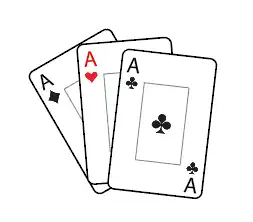
All elements in a deck are of the same type (they are a card). Although, at the same time, they all have different properties (the color, the number).
Collections allow you to organize elements in a structured way, which facilitates their manipulation and access. Typically, you will be able to perform operations such as adding, removing, searching, and modifying elements, using specific methods and functions for each collection.
In programming, collections are very useful and frequent. For example, imagine the items a customer has in their shopping cart. Or the students that are part of a class in a course. All of these are examples of collections.
Besides being useful, collections have a great impact on the efficiency of our program. Therefore, it is very important to know the existing types of collections and their characteristics, in order to choose the correct one for your needs.
Common Types of Collections
There are several types of collections used in programming, each with its own characteristics and uses. The most common ones are the following: